Here I am, typing this while flying home. The flight’s in-air entertainment has Stanley Tucci’s “Searching for Italy” series (WEB LINK) Of course I watch the “Napoli and the Amalfi Coast” episode. Where else would Stanley be other than NAPOLI. Tears fill my eyes, and I sob as the first stop is “Pizza Fritta.” The emotional downer of leaving a place that I love to an upper to be with the people that I love reminds me of the funicolare rides!?
I really enjoy riding a funicolare (funicular) in Napoli. The reason? The funicolare is likely taking me to my next pizza! Also, it always causing me to sing ”Funiculi, Funicula” all the way up to the distress of others!
“Funiculi, Funicula” was written in 1880 in the Neapolitan dialect about an early funicular up Vesuvius (details here Wikipedia Link). If you know any of the Italian language, I defy you to look at the Neapolitan version and find anything remotely resembling the “official” Italian language (thank you Mussolini...the idiot!).
There are many, many versions on YouTube . I enjoy the 1948 version by Mario Lanza due to it being more historical (but there’s always Pavarotti and the 3 Tenors)!
Torna A Surriento!
If there ever was a place that needs a funicolare is the Porto di Sorrento. After taking two ferries to get from Procida Island back to Sorrento, you either take an expensive cab for a 1/2 mile ride, or you walk UP A STEEP HILL FOR A 1/2 MILE from Marina Piccolo up to Piazza Tasso (town center). We chose to walk up. What else?
ASIDE – in Sorrento, Marina Grande is the SMALL marina, and Marina Piccolo is the LARGE port! Aw, only in Italy!
May 6 – Sedil Dominova 2000 – Sorrento
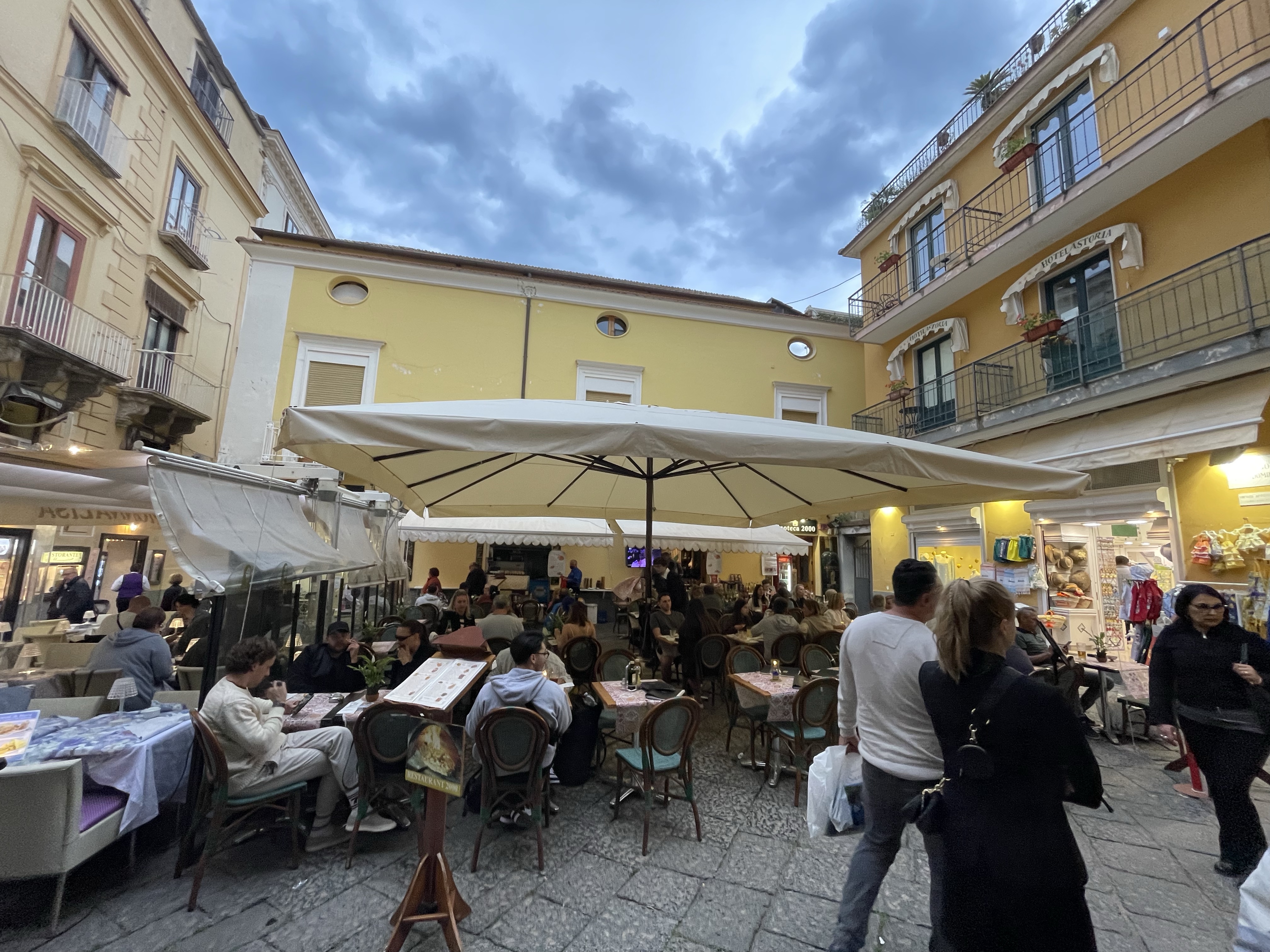
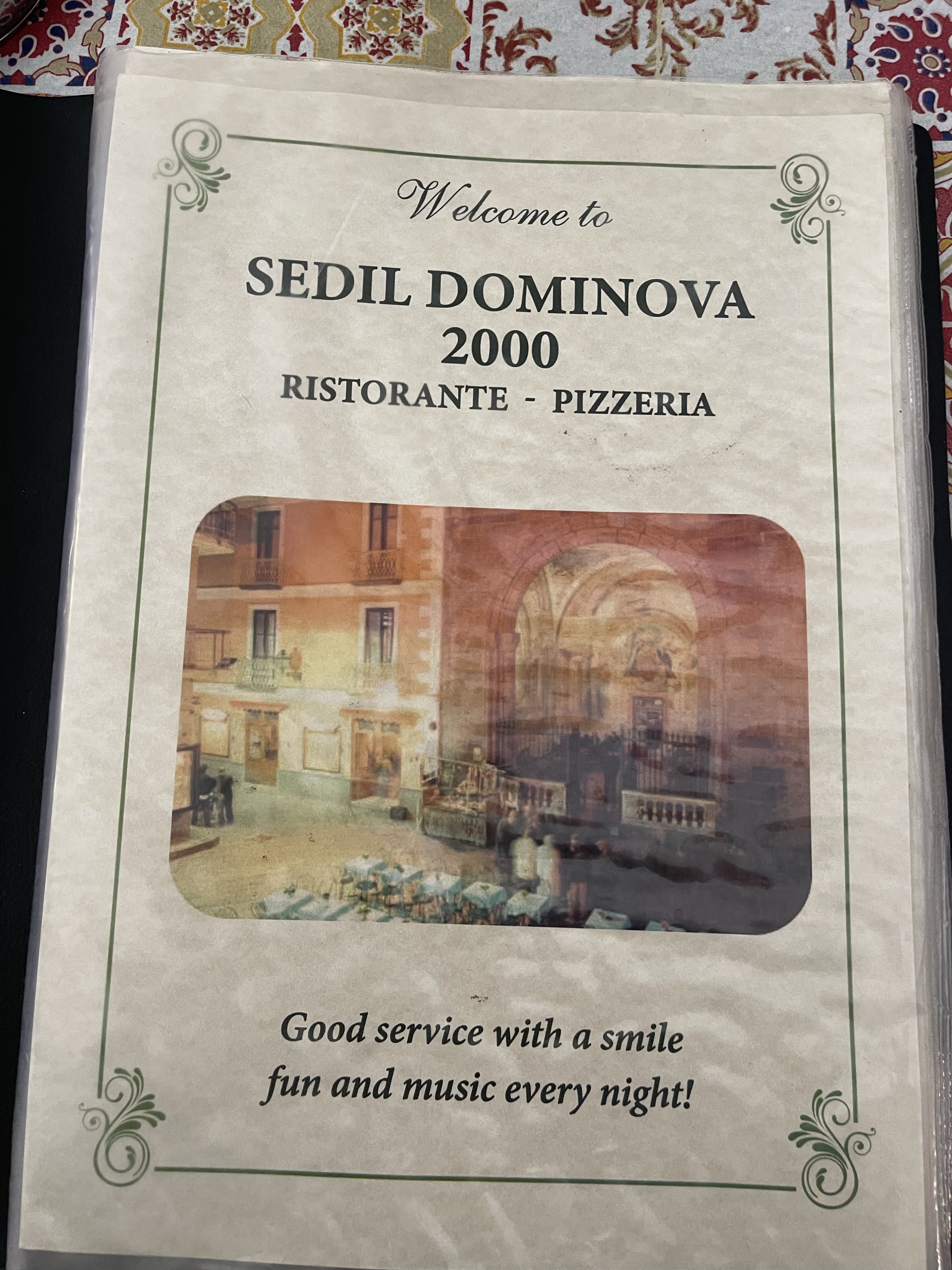
In four trips and about a month’s worth of days in Sorrento, we’ve likely walked passed ristorante Sedil Dominova 2000 a 100 times as it’s in the middle of a busy choochkie shopping area. It’s an open “air” ristorante in Sorrento’s neighborhood that gets its name from the ” 15th-century domed palazzo (mansion)” across the street (see Lonely Planet). Each time we pass, the outdoor seating area of the ristorante is packed. But, as it’s been the theme of this trip, you can’t judge a book by its cover; packed might not mean good!
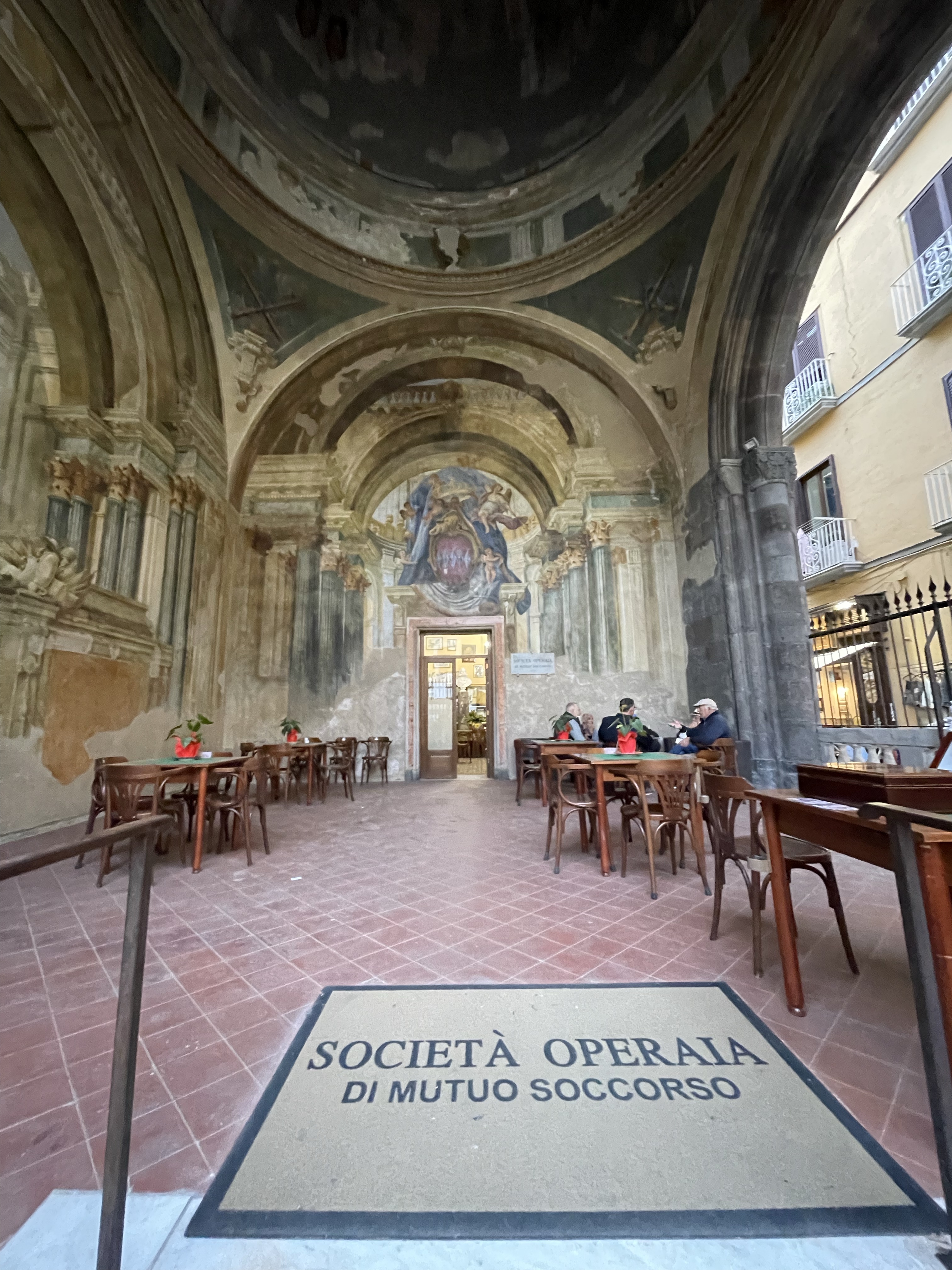
Pictures below – 1st/left – the Palazzo (now a men’s “only” club, the other pictures, the ristorante and menu
I ordered a salume (Italian pepperoni) pizza as a change of pace to see if the crust would be less mushy than other recent Neapolitan pizzas with prosuit and arugula.
The result was that the texture of the crust was perfect! Very thin in the middle, no mushiness, and firm to the cornicione and had a nice charred puff! The flaw in this pizza was the crust’s lack of a yeasty taste which typically results from the dough being “young”.
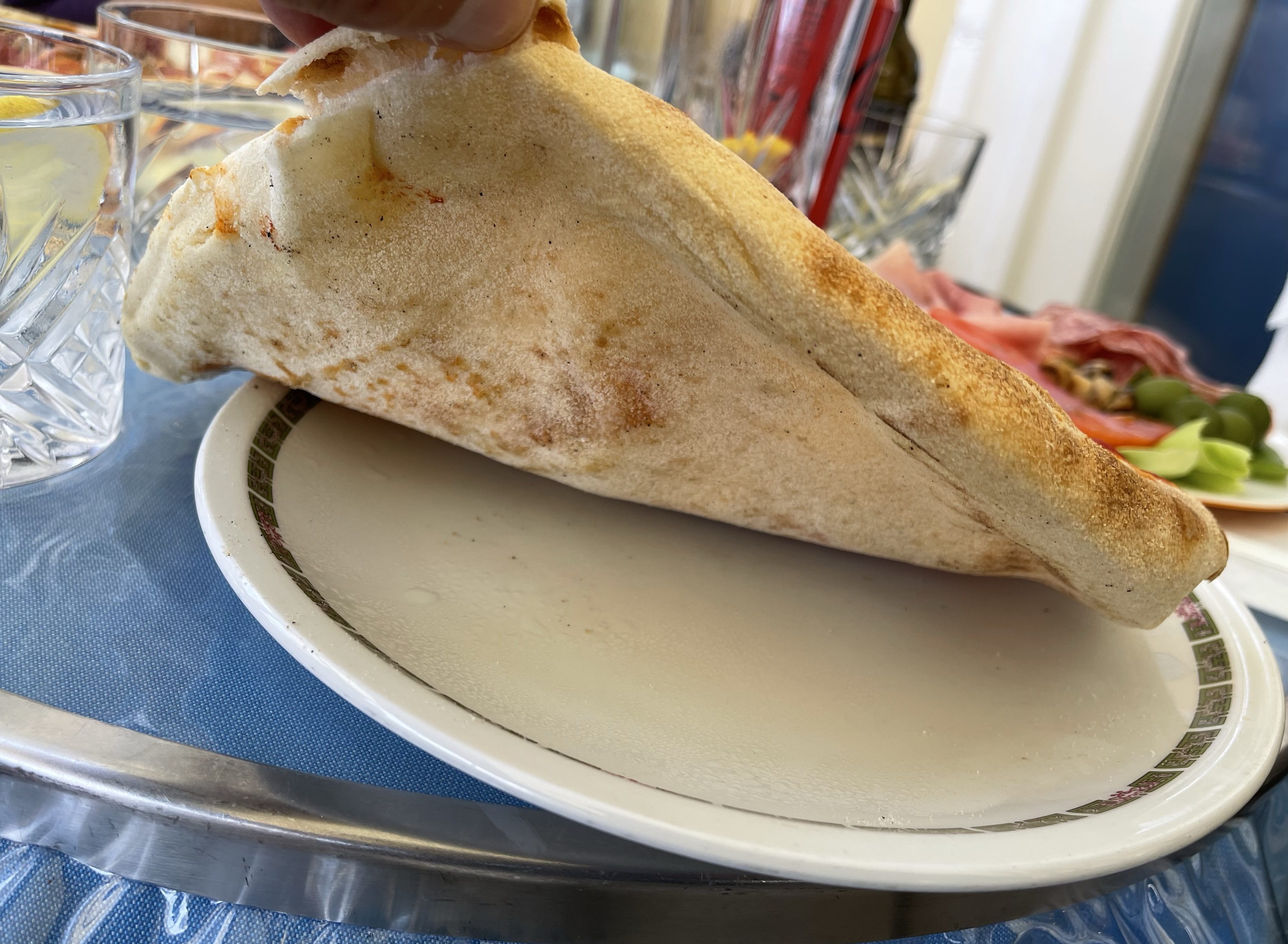
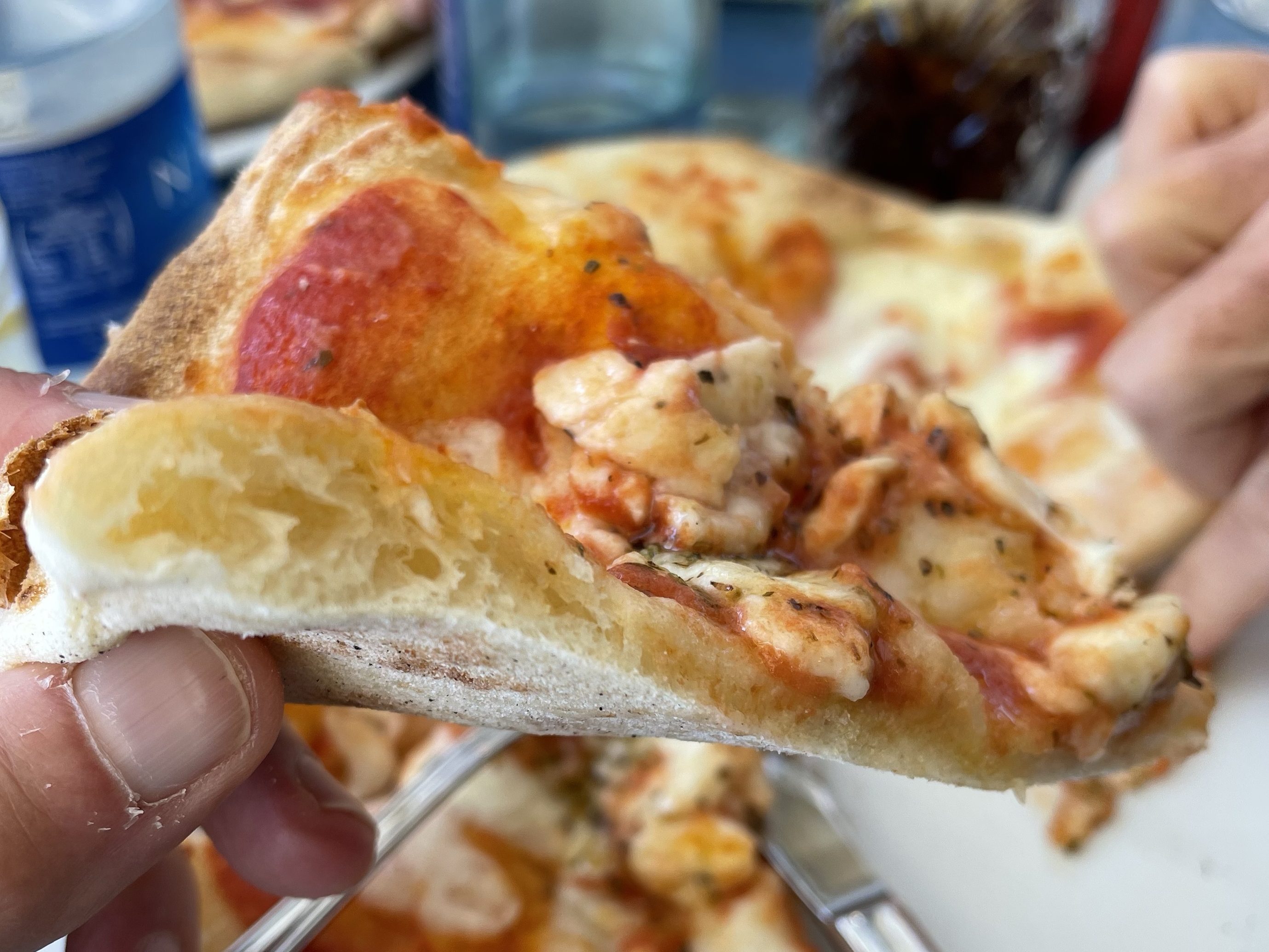
Just as with wine, dough needs to age, at least 24 hours and preferably 72 hours for the yeast to eat the carbs in the flour and release lactic acid (the flavor in crust). And, just like wine, if you let the dough age too long (more than 5 days), the dough will be merda (see definition here)
Thankfully, the sauce had a great tomato tangy-sweet without the saltiness of other recent pizzas just as you’d expect from a local San Marzano. This might indicate that part of the “extra saltiness” of the other Neapolitan pizzas was the prosuit.
Even though I enjoyed the pizza (and cold leftovers), once again the pizza was good (not great).
More unfortunately, the poor service and my wife’s overcooked, oven dried-hard cannelloni, spoiled our experience. The table service people frequently approached our table and asked if we were done with our plates. It was so frequent that we felt rushed to leave to free up the table. We felt as if volume was more important than quality.
We’d definitely not go back.
May 7 – Pizza Making Class – in the hills over Sorrento
Up to this point of our Napoli & Amalfi Coast trip, I’d eaten 8 pizzas in 9 days, and I’d only given 1 pizza a GREAT rating. So, I guess, it was time to either put up or shut up! So, for pizza #9 of the trip, I MADE my own (kind of…).
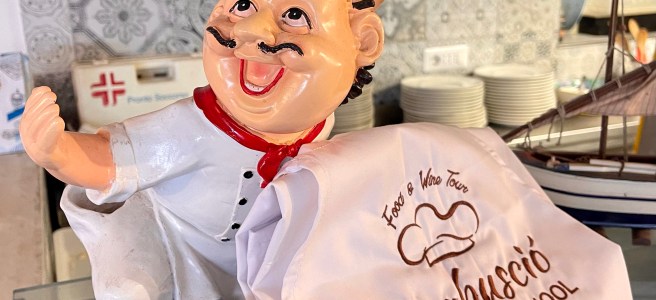
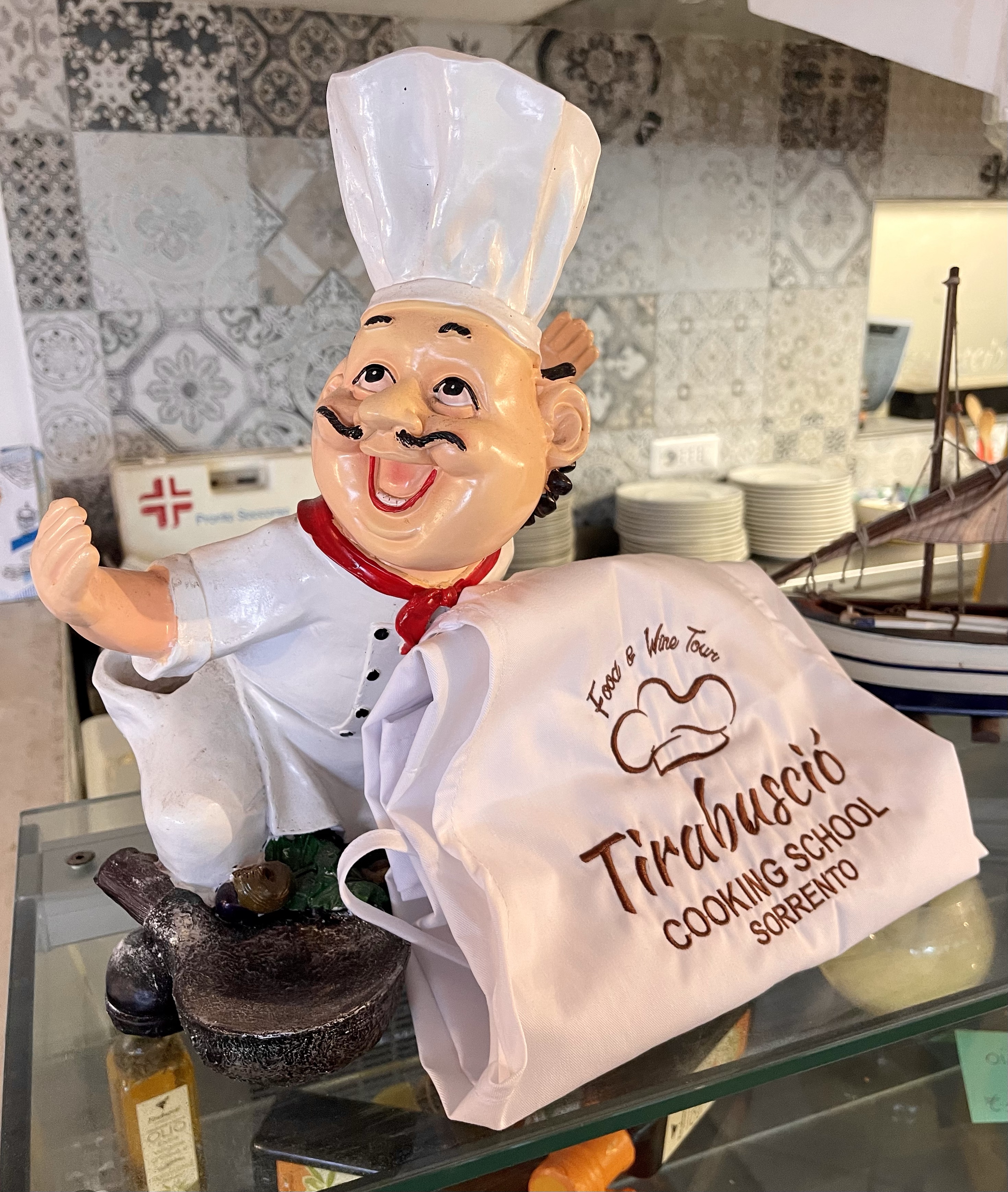
We booked an Air B&B “no name” pizza making experience simply based upon price and reviews. It turned out to be Il’ Tirabuscio (see link to their site) a former ristorante that the owners closed and converted into a cooking school so that they could be with their children more often! Gotta’ love that!
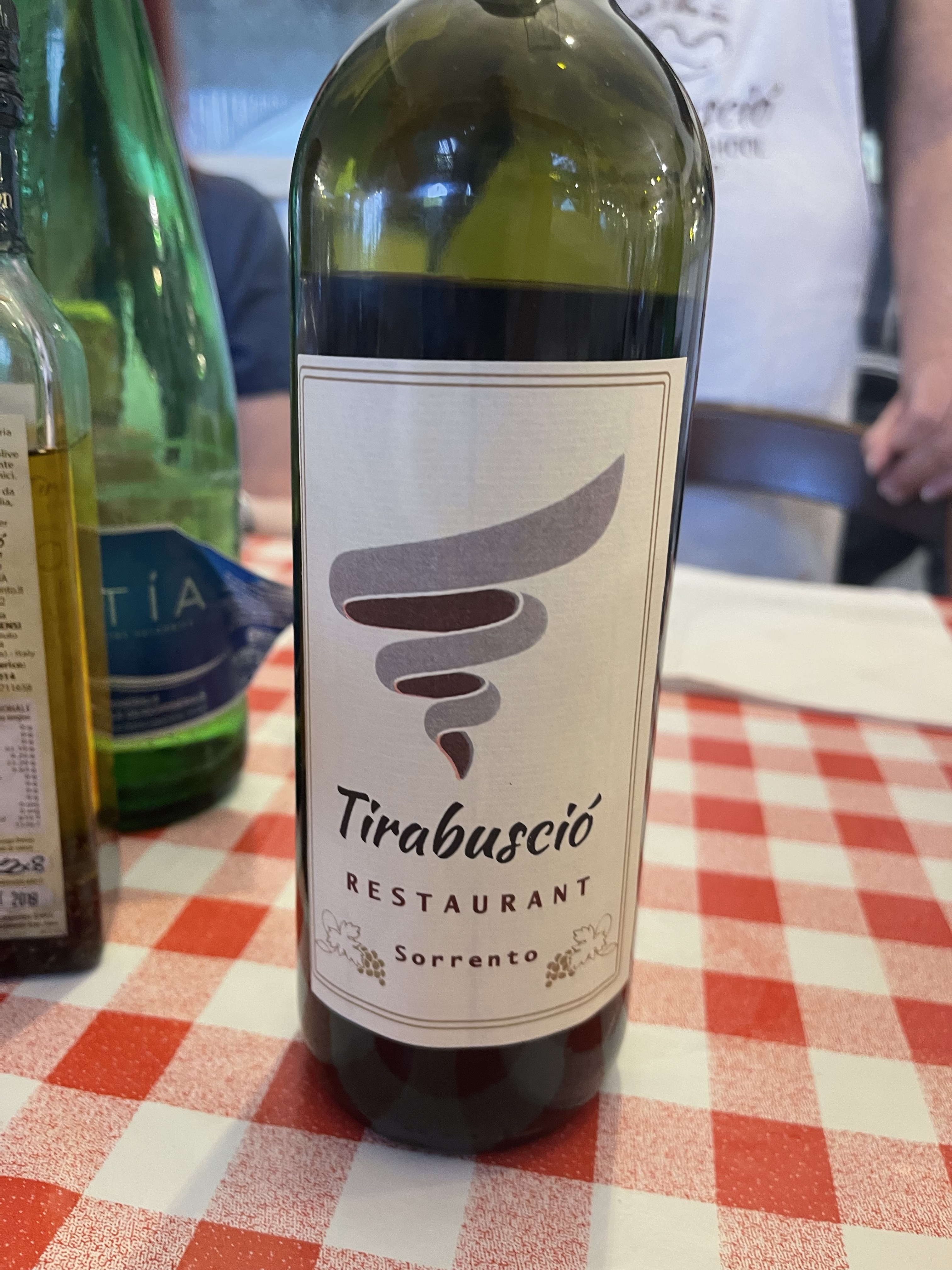
We were picked up by Giancarlo near Piazza Tasso and driven “up the hill” from town for about 3 miles to the cooking school. Once at Il’ Tirabuscio, we met Francesco, an owner, made acquaintance with other “experiencers” (18 in all), and were treated to their house white and red wines!
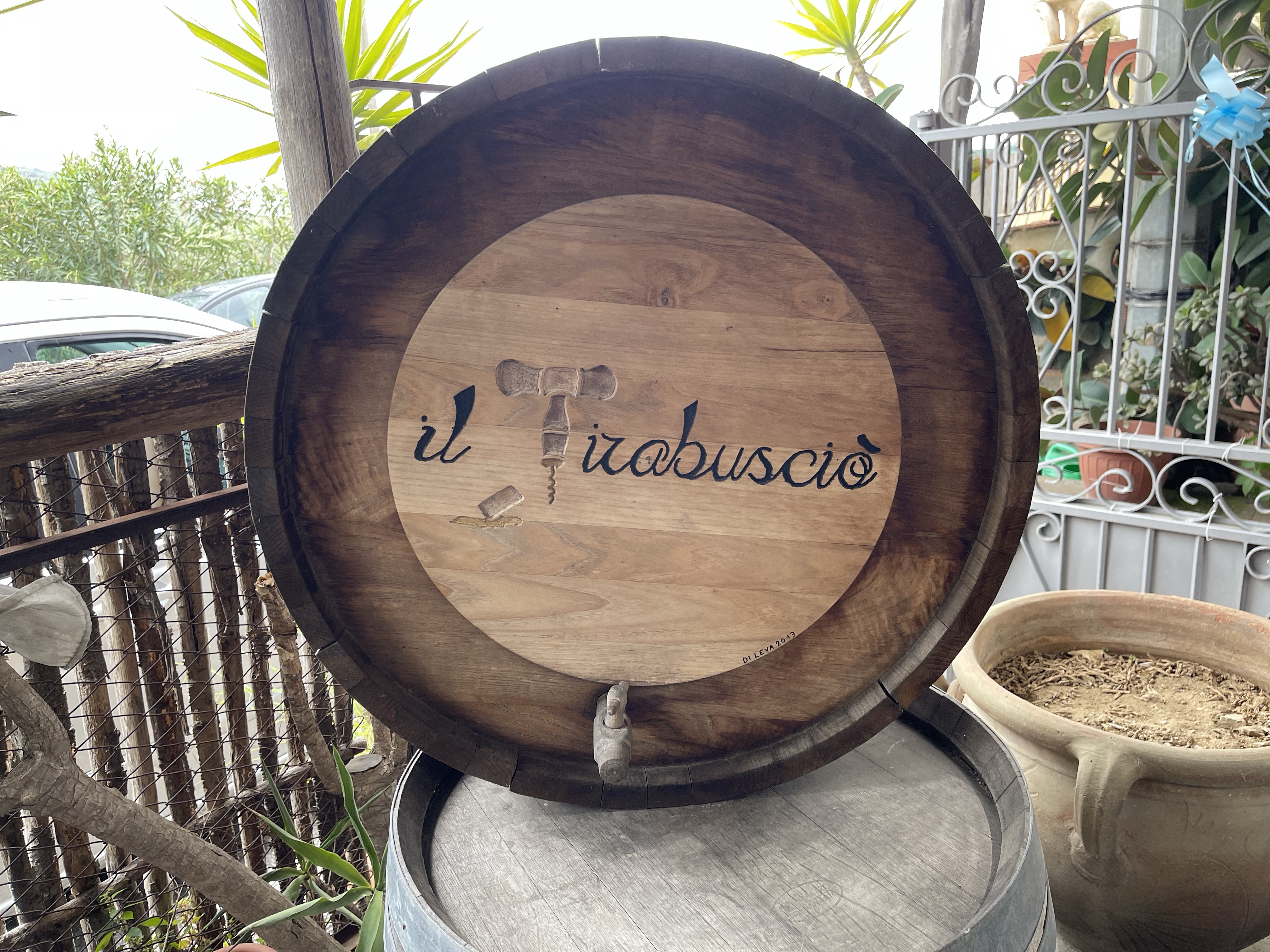
- The first thing we did was make the dough. This was interesting for me because his techniques and recipe vary from mine:
- Water – 1.5 liters (I typically use 2 – 2.5 cups)
- Flour – 1 kg
- Caputo “BLUE” 00 vs mine Caputo “RED” 00 (it’s proven difficult for me to find BLUE in the states. Hopefully they’ll have it at EATALY in Toronto when we visit this summer)
- 1 kg (2.2 lbs) about 8 cups of 00, other flours are not as fine as 00 and 1kg is likely a larger volume
- I use 5 cups +/- depending on how wet the dough is. I want the dough wet but workable. The wetness in the dough (water) boils during baking forming the “puff and bubble”
- Yeast – 9 – 10g
- Fresh Brewer’s Yeast vs mine dry yeast (he felt that the brewer’s yeast imparts more flavor to the dough/crust)
- Interestingly, he suggested replacing the water and yeast, 1 for 1, with beer for the same malty taste and rise as brewer’s yeast
- Oil – a sprinkle – hopefully this drives you crazy, that there’s no measurement. All the cooks that I followed as a child did not measure a lot of their ingredients and used feel and taste. I’m at that point with my dough and sauce after 3 years!
- Salt – a pinch
- Mixing – by hand into a small ball (as opposed to Schweddy Balls (see SNL YouTube here)) since we only used a small portion of flour compared to his recipe above. Over the past few months, I’ve moved to hand mixing. It’s just as quick as machine mixing, more interactive, and thus, soothing for me, and you get a better feel for good and bad dough.
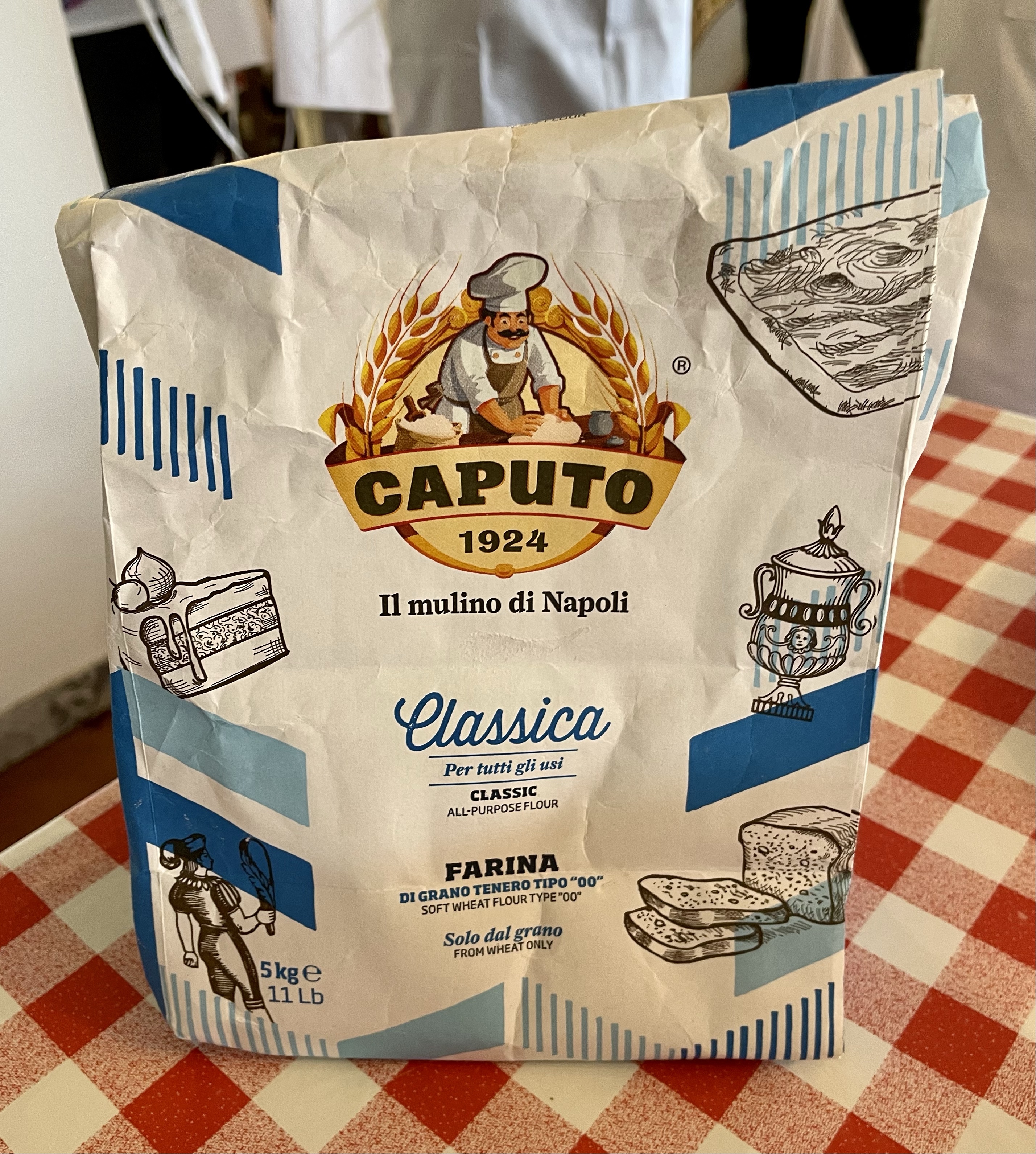
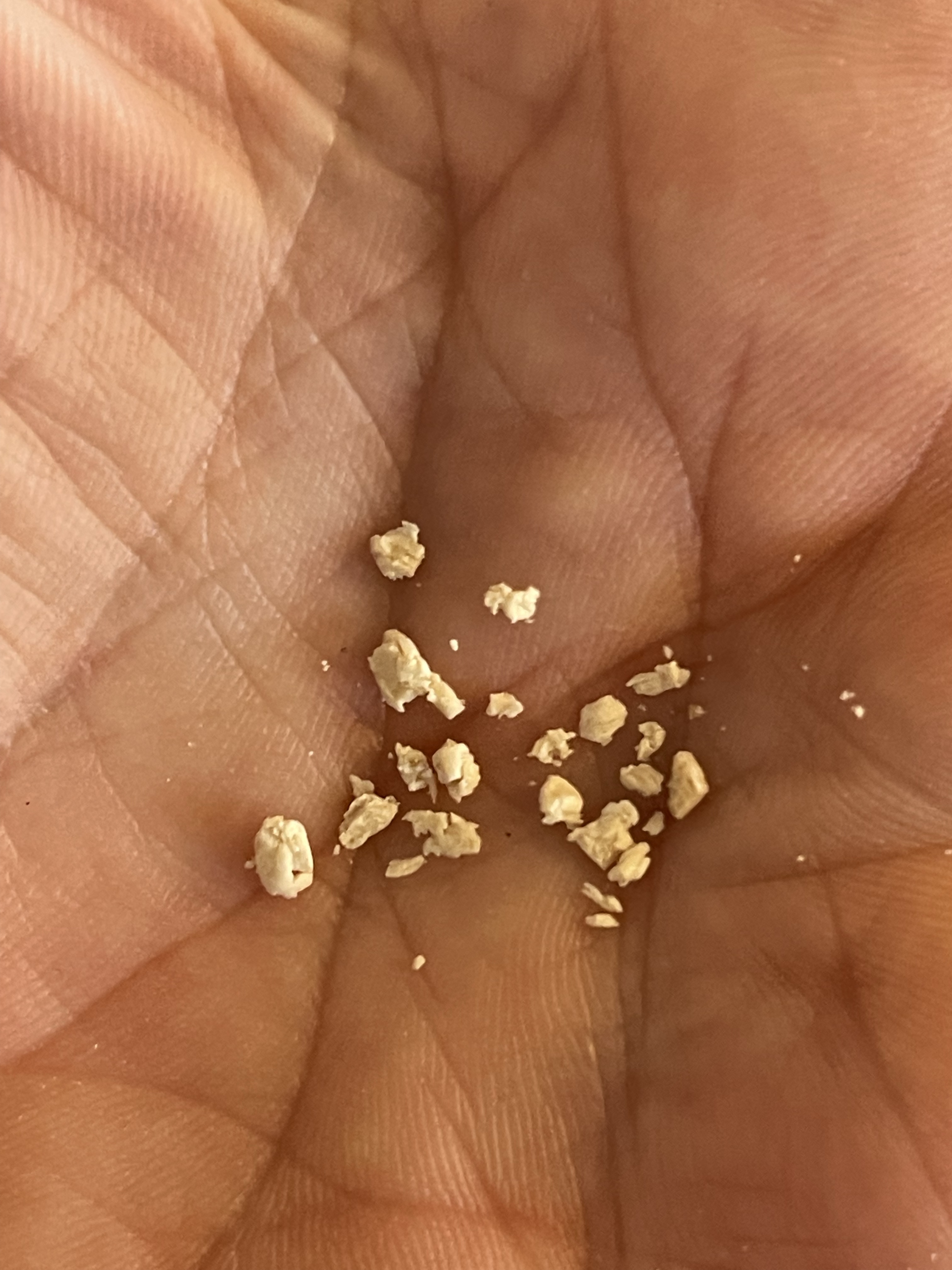
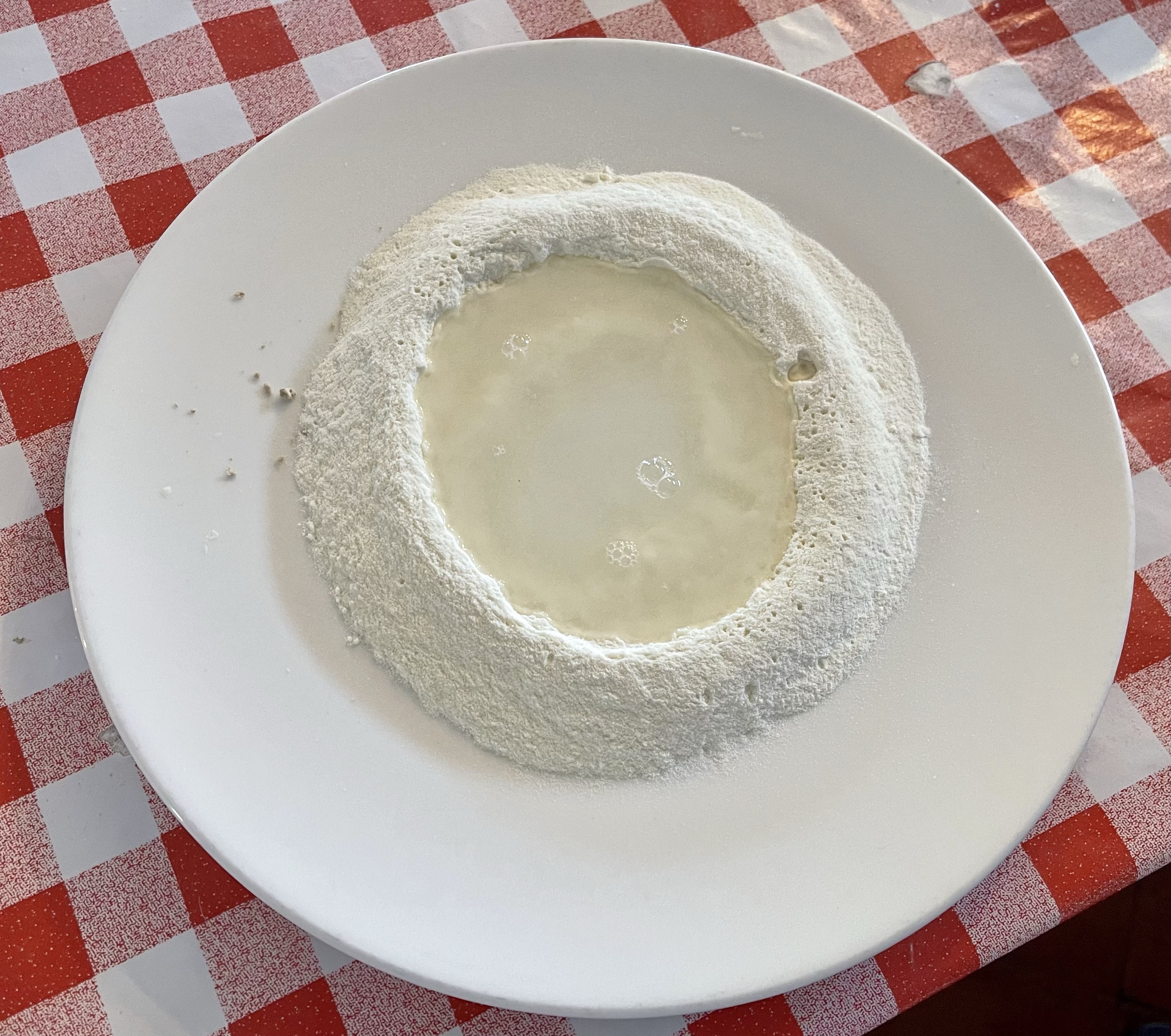
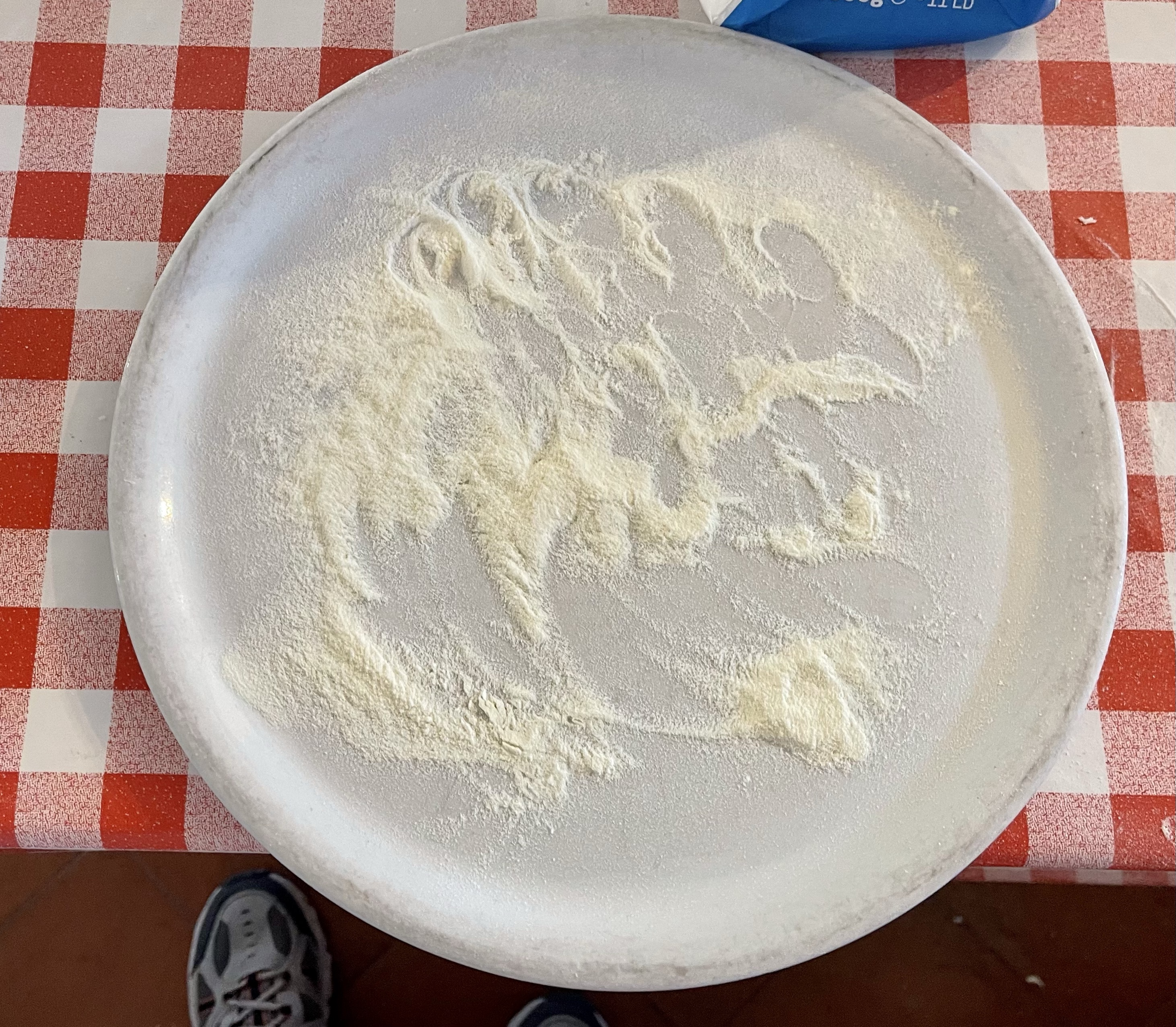
To make the pizzas, our dough was discarded and replaced for dough that Francesco had previously made and refrigerated since we didn’t have 24+ hours for our dough to rise and gain flavor. He also provided a 12” round plate which we dusted with flour to form the dough round. I used my awkward stretching techniques.
Although Francesco showed his dough stretching and rounding techniques, he was at the other end of the room, so I couldn’t grasp the technique as I’d hoped. Forming the dough into a pizza round is a issue for me; my pizzas usually turn out oblong versus round and without uniform thickness. BUT, using a round plate to form definitely give a guide for rounding.
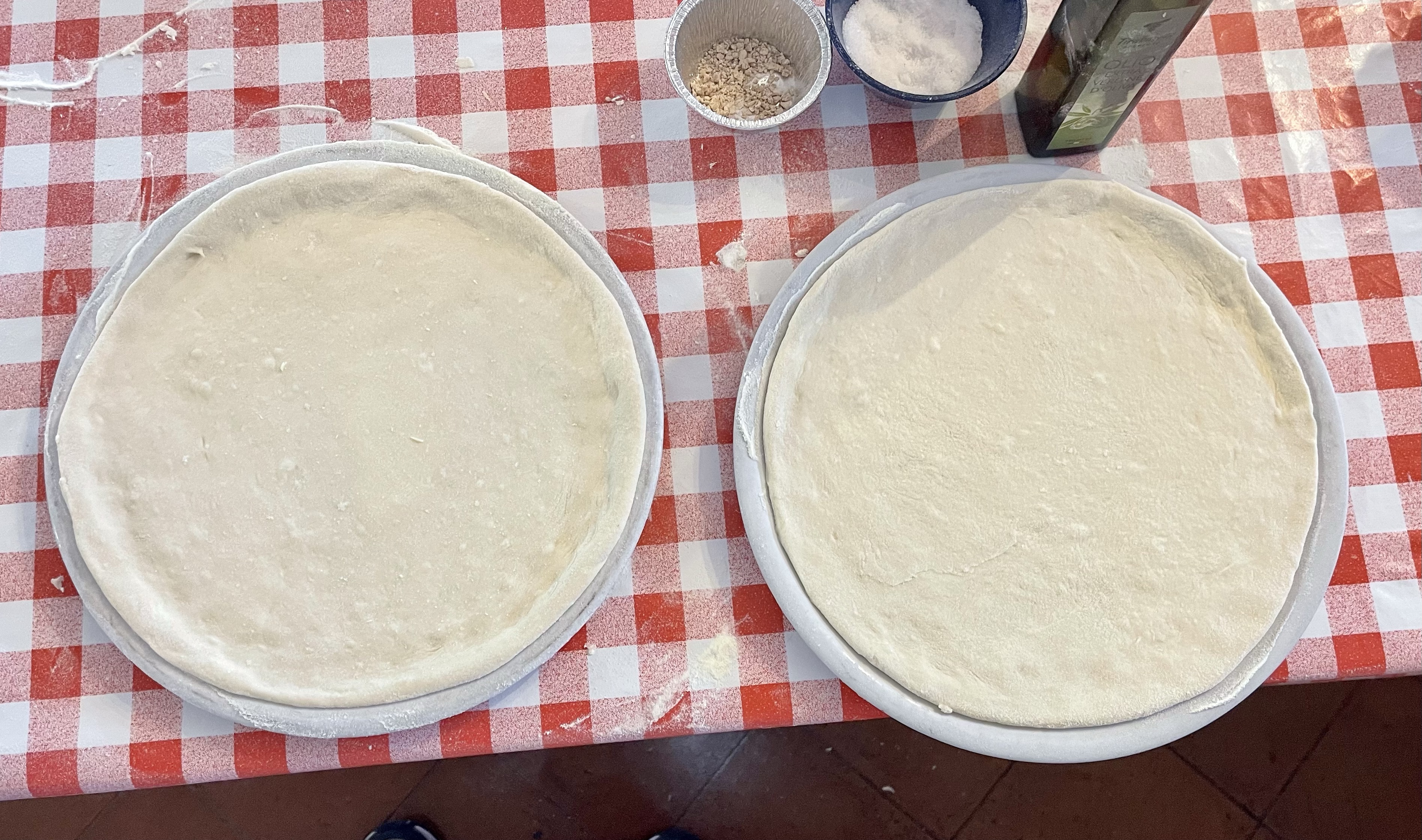
The sauce was San Marzano purée (mine is canned whole San Marzano crushed by hand), salt, and oil – THAT’S IT. Whereas, I add a little sugar, oregano, Calabrian chili flakes, and Aunt Theresa’s secret ingredient! PS – I DON’T MEASURE. I GO BY TASTE! Neither does Francesco.
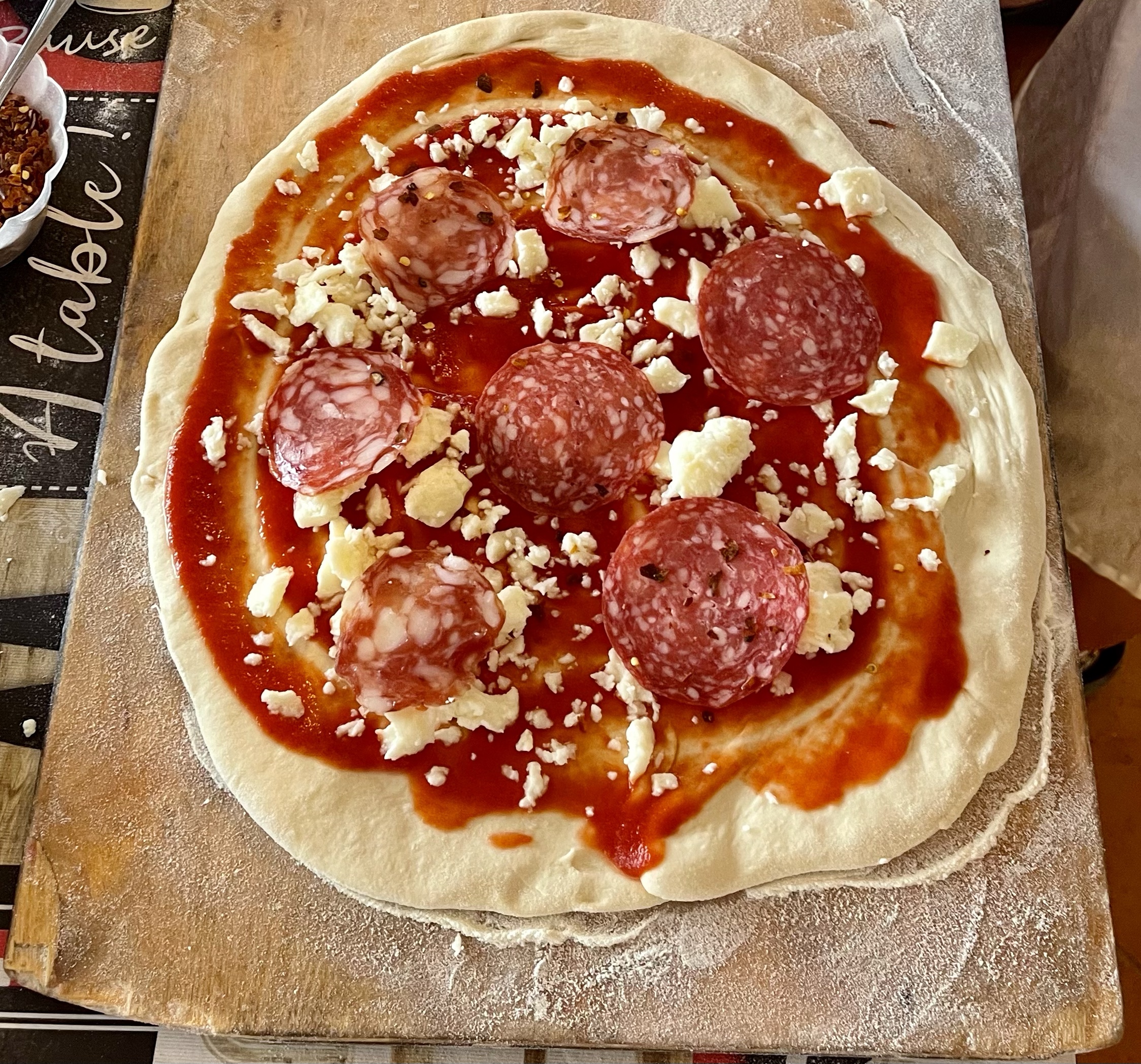
The amount of sauce added to the pizza was a small soup ladle. It was about 1/2 – 2/3 my larger soup ladle portion. The sauce was dropped in the middle and smoothed out in a concentric swirl from the middle to the edge as I do.
For moozedell, he made sure that we use drier moozedell, not fresh wet. He only uses bufala moozedell that comes from Paestum just south of the Amalfi Coast and Salerno. The dry moozedell had the texture of larger chunks of feta that we get in the US. I’ve not seen dry bufalo moozedell here.
BTW – Visiting a bufala farm and moozedell making/tasting is an experience that we’ve done twice in the past. It’s well worth to see a bufala get a massage!
There were various toppings. I chose two different types of Neapolitan salume; one that was small round and looked similar to pepperoni in the US, while the other was a larger round and similar to US salami.
At this point, we were ready for baking! Ours were last in the oven. As we waited, we were several glasses of wine in and conversing with other “experiencers”. By the time I was up, my dough’s moisture made it stick to the plate as we attempted to slide it onto the pizza peel…OH ANOTHER OBLONG PIZZA!
The oven was a classic Neapolitan brick dome. Francesco converted it to gas from wood when they closed the restaurant. The stone floor of the oven was 800+ when mine slid in.
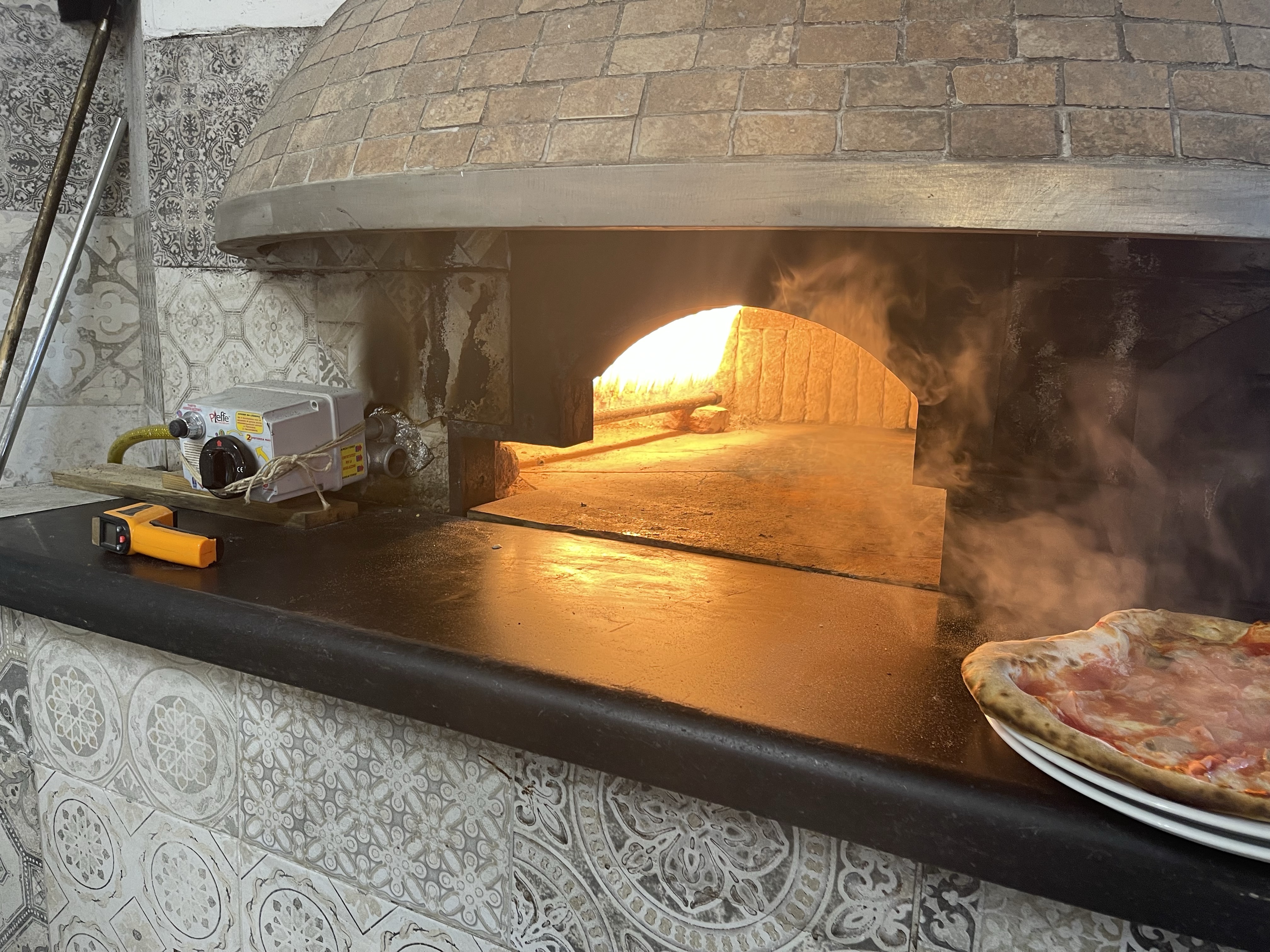
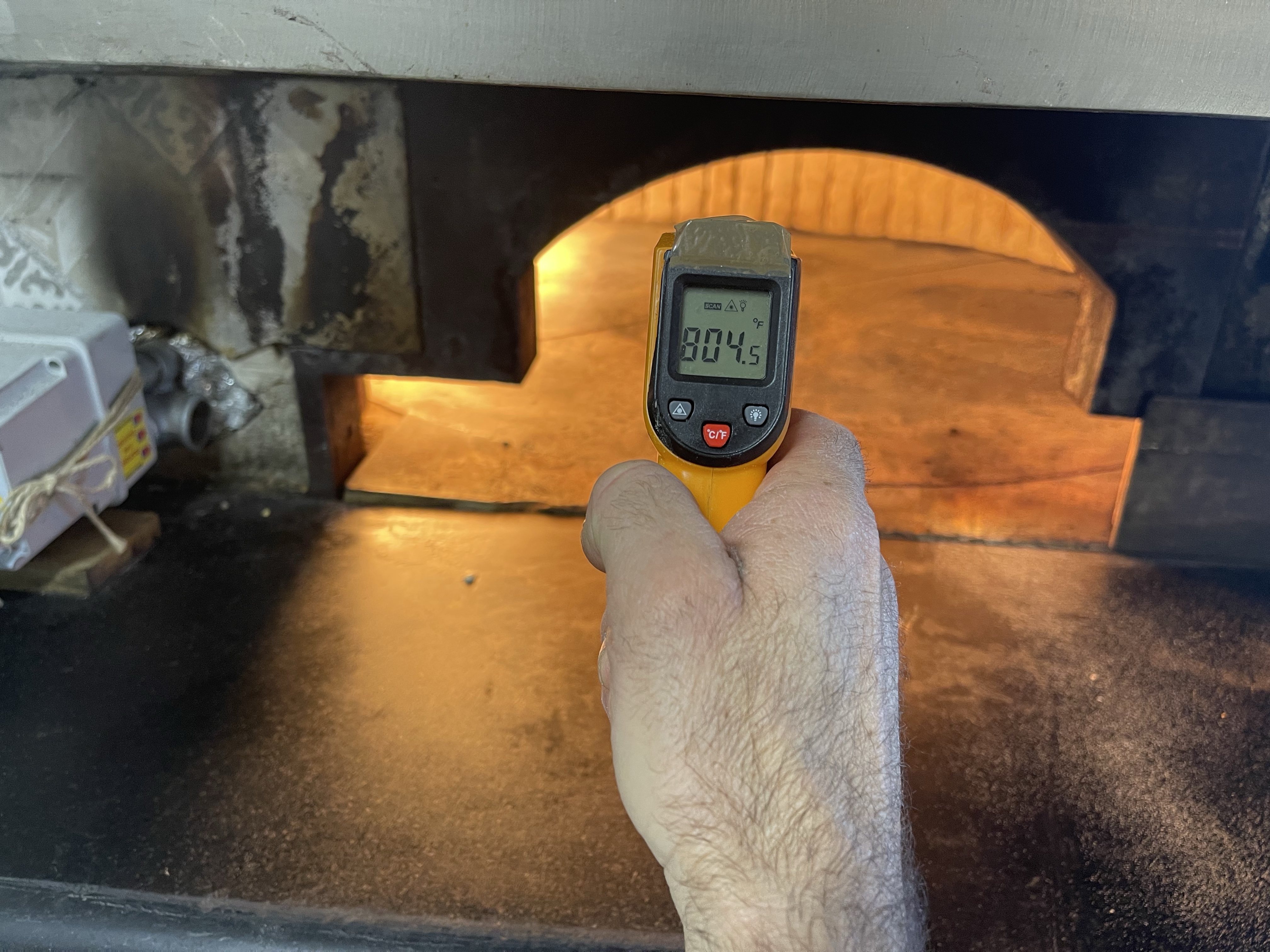
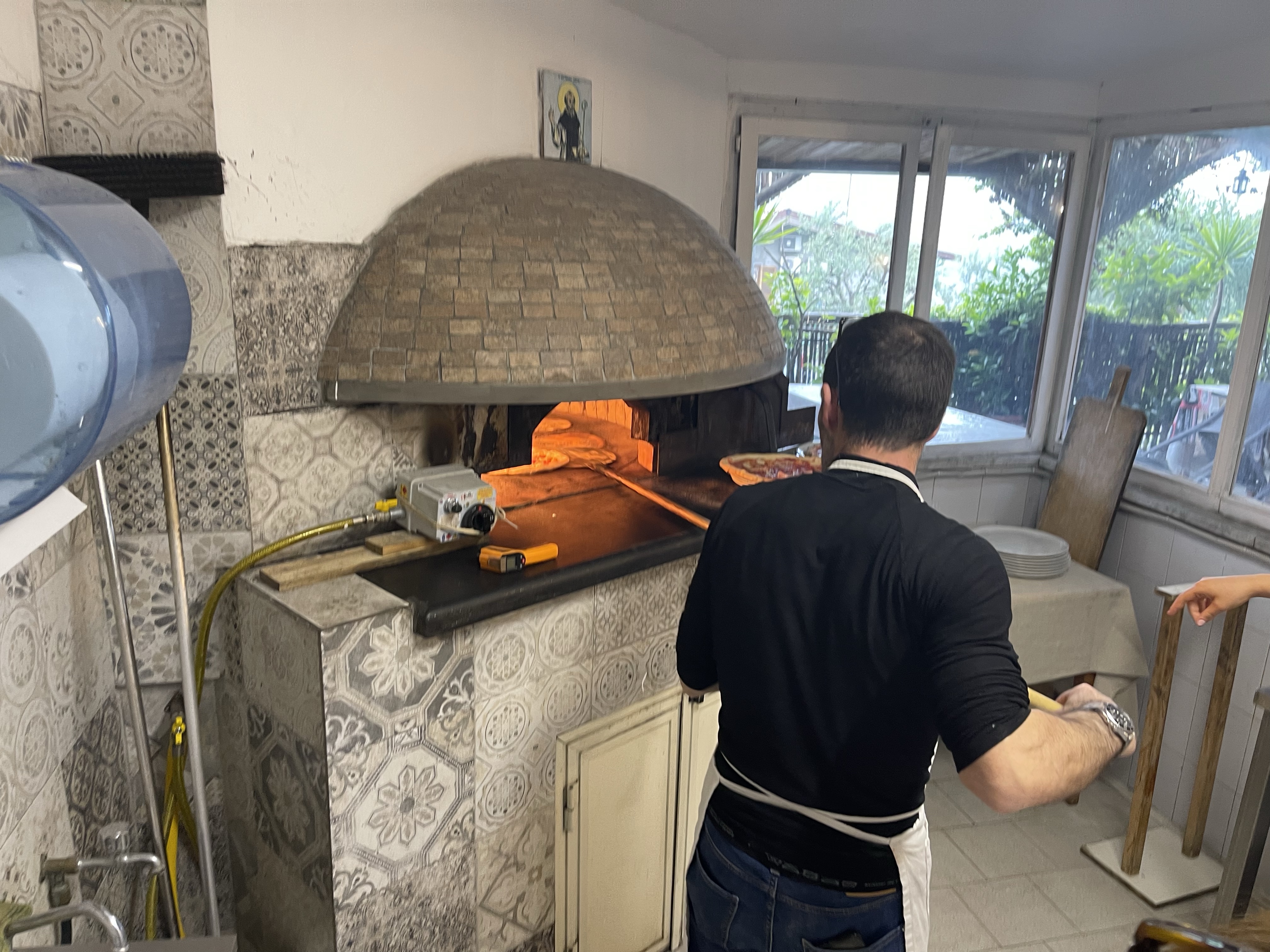
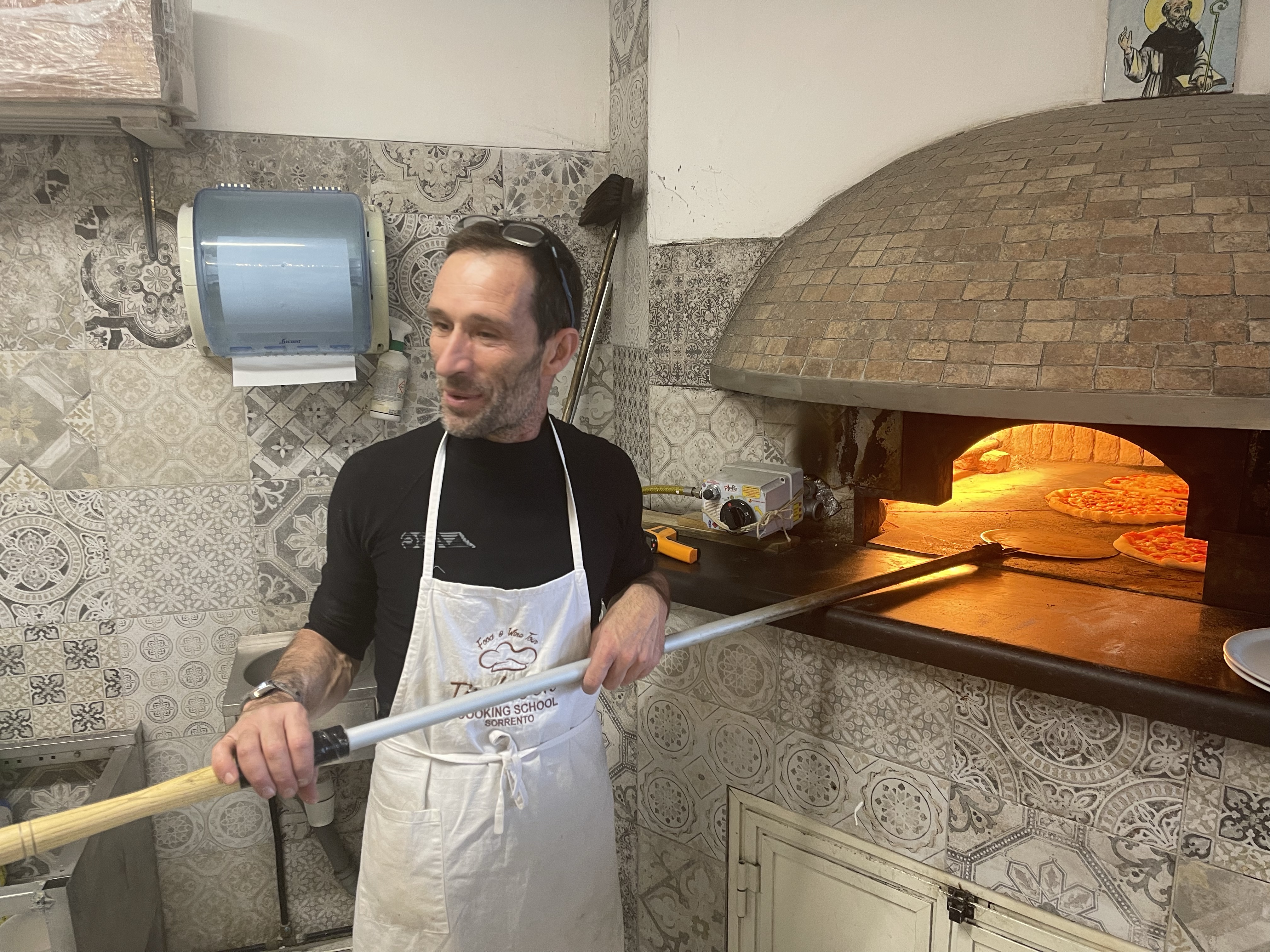
About two minutes later, it was done!
Now for the taste of ”my” pizza with Francesco’s ingredients!
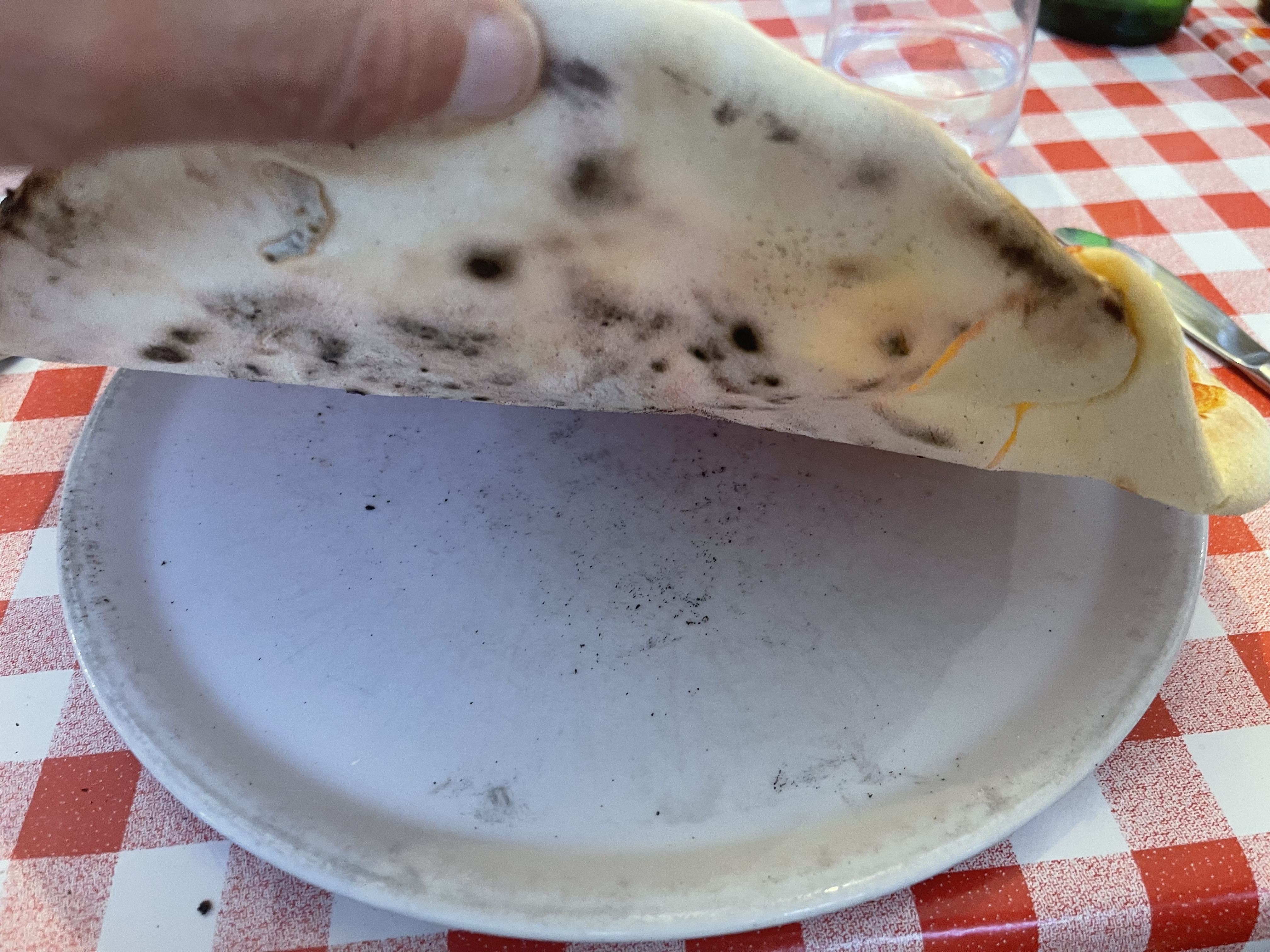
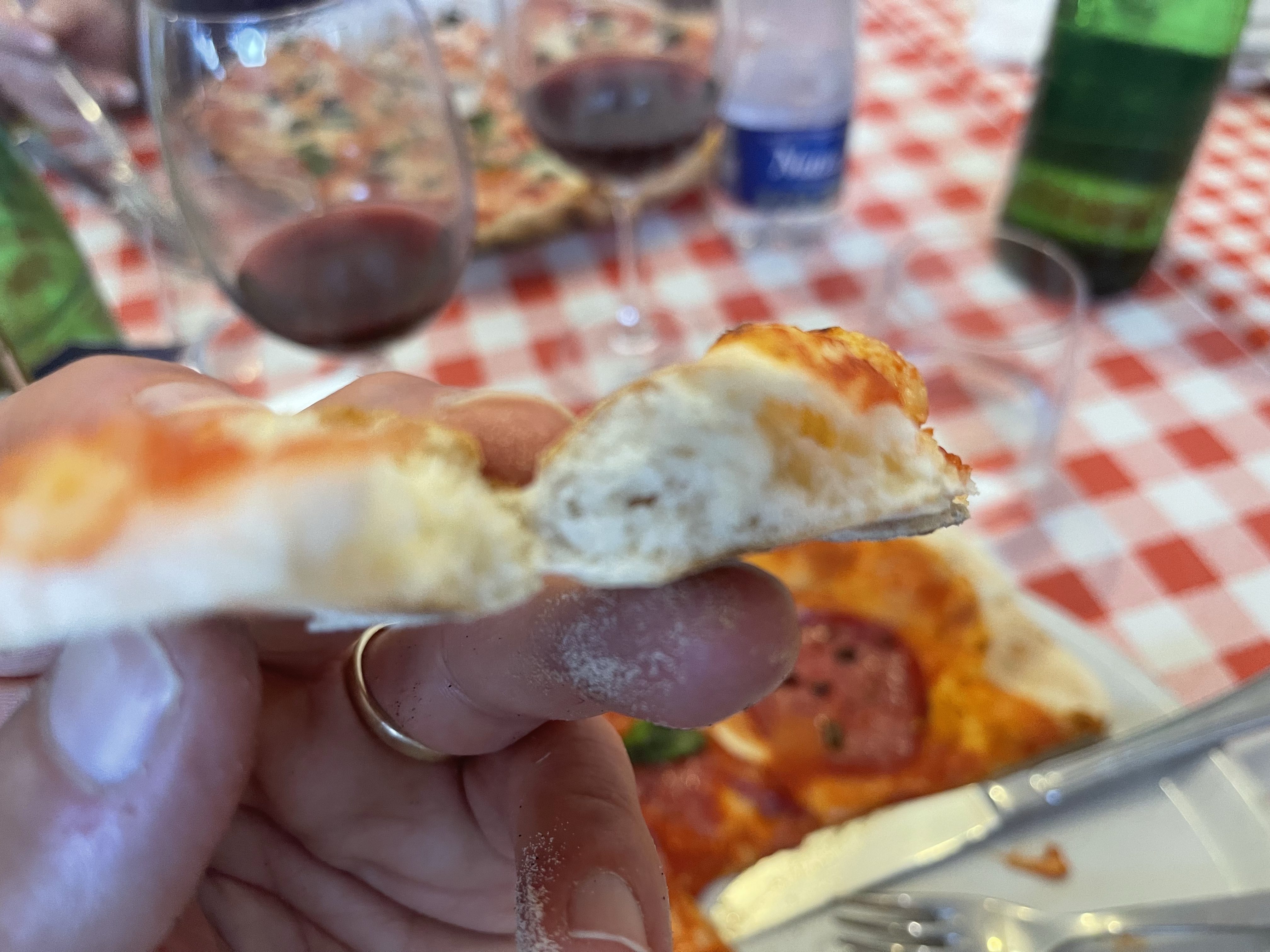
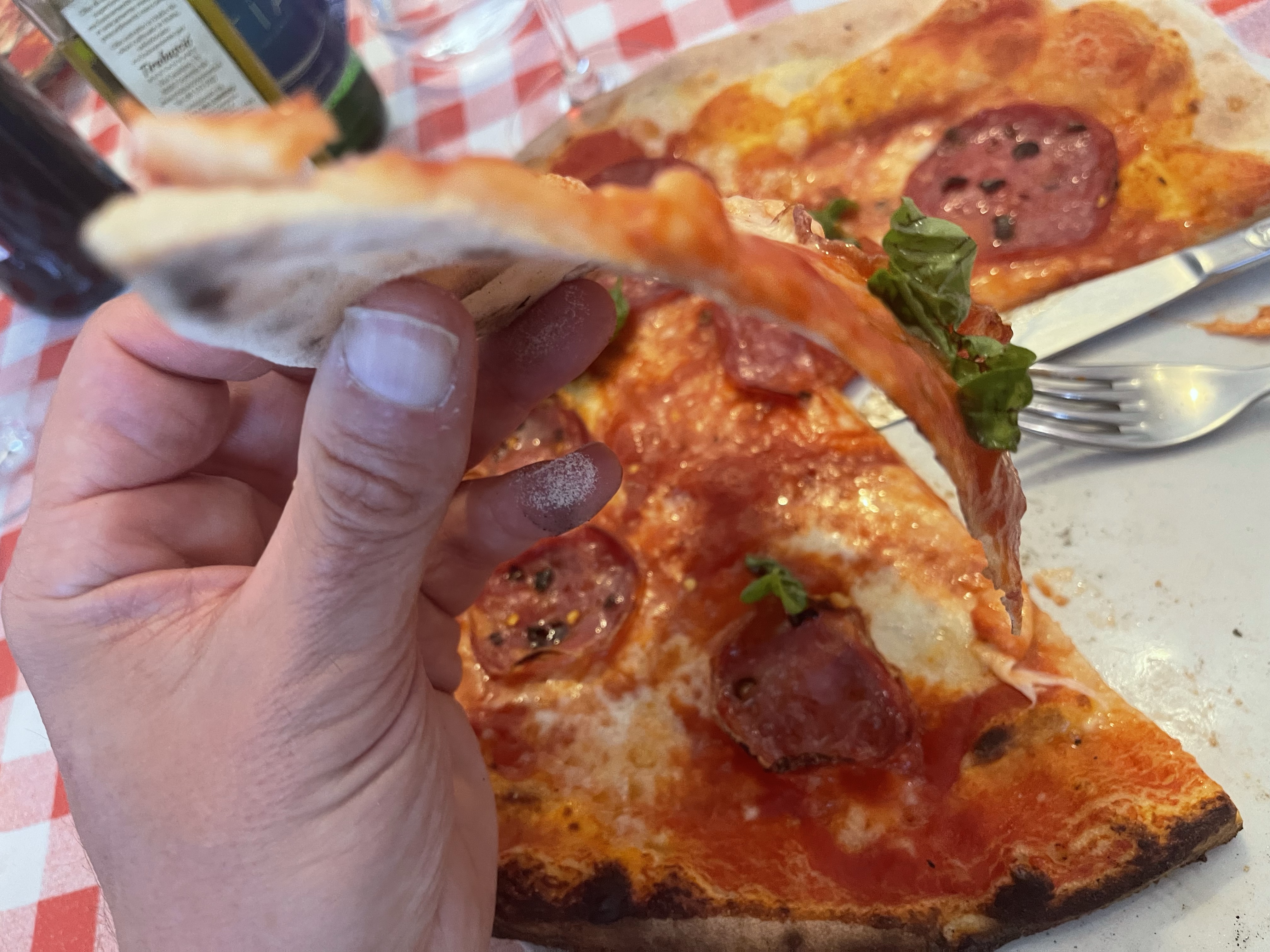
Frankly, it good (not great). The sauce, cheese, and toppings were outstanding, but the crust lacked a zippy taste that I’d thought we’d get given Francesco’s insistence on brewer’s yeast and 24+ hours. Also, the crust also lacked puff. As I recall, the dough right out of the refrigerator did not seem very airy which could be a result that the dough was too old (or too new!) than his stated 24 hours.
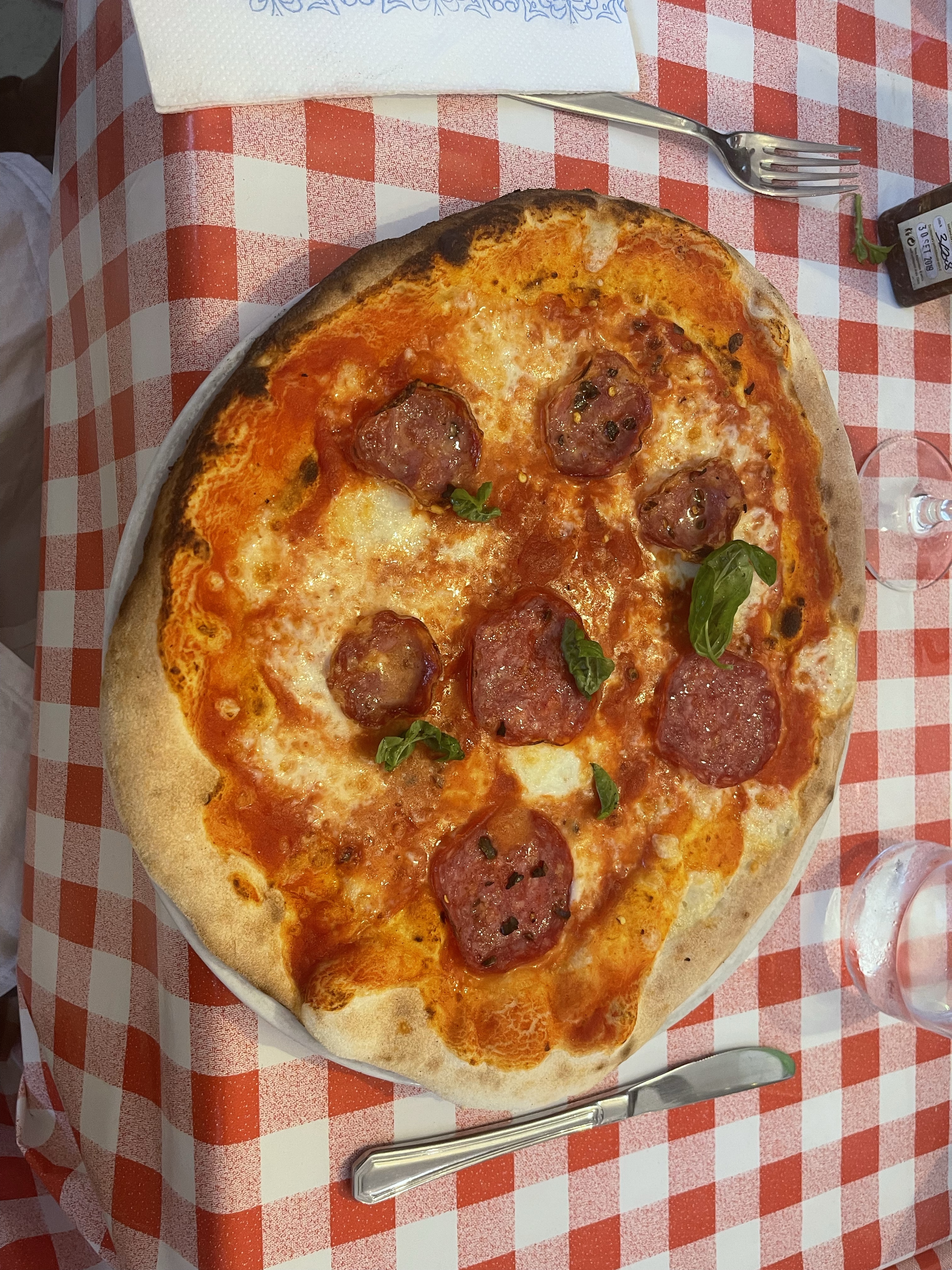
All in all, this was a great experience and would recommend it to all.


You must be logged in to post a comment.